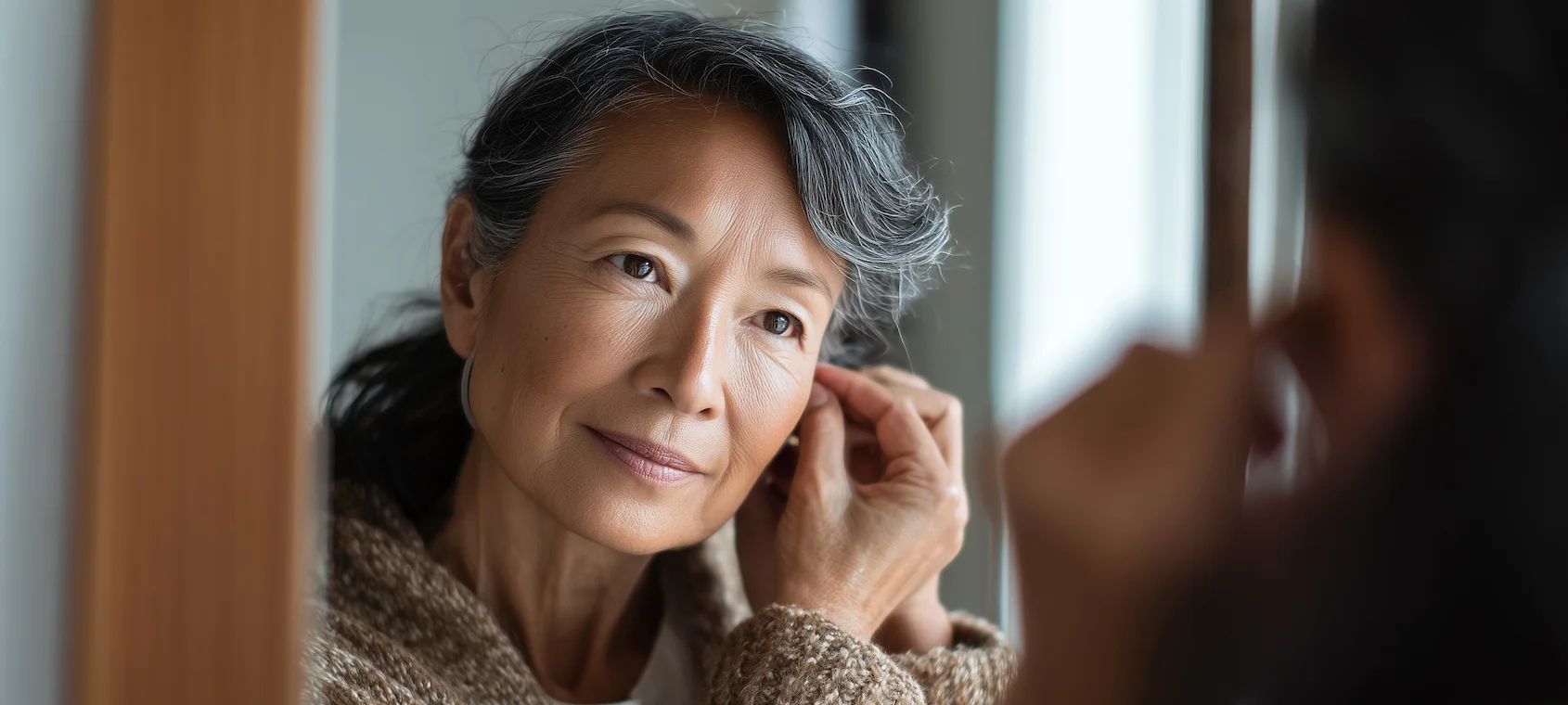
Am I Too Old for Plastic Surgery? Age, Health & Your Aesthetic Goals
“Aren’t I too old for plastic surgery?” It’s one of the most common questions we hear from patients considering aesthetic procedures. Whether you’re thinking about a facelift, body contouring, breast surgery, or any other cosmetic procedure, age-related concerns can hold you back from pursuing the look you want.
Here’s what we want you to know: age alone doesn’t disqualify you from plastic surgery. In fact, some of our most satisfied patients are in their 60s, 70s, and beyond. What matters isn’t the number of candles on your birthday cake—it’s your overall health, your aesthetic goals, and how well you prepare for your procedure.
Modern plastic surgery techniques, advanced anesthesia protocols, and comprehensive pre-operative assessments have made cosmetic and reconstructive procedures safer than ever for mature patients. A qualified plastic surgeon can help you feel confident in your appearance, regardless of age.
In this guide, we’ll explore what actually determines whether you’re a good candidate for plastic surgery, what risks older adults should be aware of, and how proper preparation can help you achieve beautiful, natural-looking results with a qualified surgeon.
What Really Determines If You’re Too Old for Plastic Surgery?
Chronological age is just one small factor in determining surgical candidacy. Instead, plastic surgeons evaluate:
- Overall health status: Are your chronic conditions (diabetes, hypertension, heart disease) well-controlled?
- Skin quality and elasticity: How will your skin respond to the procedure and heal afterward?
- Functional ability: Can you manage the physical demands of recovery?
- Realistic expectations: Do you understand what the procedure can and cannot achieve?
- Motivation: Are you doing this for yourself, or to please someone else?
- Mental and emotional health: Are you in a stable place mentally to undergo surgery?
- Medication list: Which medications might interact with surgery or anesthesia?
- Smoking and lifestyle habits: Do you smoke or have habits that could compromise healing?
A healthy, active 70-year-old with excellent skin quality and realistic expectations may be an ideal candidate for a facelift. Meanwhile, a 45-year-old with multiple health issues, unrealistic expectations, and poor healing habits might not be a good fit.
The key difference in plastic surgery: Unlike reconstructive procedures, aesthetic surgery is elective. This means you have the luxury of time to optimize your health, prepare thoroughly, and ensure you’re in the best possible condition for surgery.
Why Plastic Surgery Can Be Ideal for Mature Patients
There’s actually something wonderful about pursuing aesthetic procedures as you age:
You have time to prepare. Plastic surgery is elective, giving you weeks or months to optimize your health, build strength, and mentally prepare—unlike emergency surgeries.
You know what you want. Mature patients often have a clearer vision of their aesthetic goals and are more decisive about their choices.
You’re doing it for you. Most older patients pursuing cosmetic procedures are doing so for themselves—to feel more confident, energetic, and like themselves again.
Modern techniques deliver natural results. Skilled plastic surgeons focus on enhancing your natural beauty and creating results that look refreshed, not dramatically different.
Recovery is manageable. While recovery takes time at any age, many mature patients find they have the flexibility to take the necessary time off work and arrange proper support.
Understanding Surgical Risks for Older Adults Considering Plastic Surgery
Yes, older adults do face some increased risks during and after surgery. Understanding these risks is the first step toward managing them effectively.
Common Complications in Older Surgical Patients
Postoperative Delirium and Cognitive Changes
One of the most common complications in older surgical patients is postoperative delirium—a temporary change in mental function that can occur after surgery. Patients may experience confusion, disorientation, or difficulty concentrating. While this can be unsettling, it’s usually temporary and manageable with proper monitoring and support.
Postoperative cognitive dysfunction (POCD)—more subtle changes in memory or processing speed—can persist longer but is less common with modern anesthesia techniques.
Slower Wound Healing
Older adults may have slightly slower wound healing, which is particularly relevant in plastic surgery where aesthetic results depend on clean, well-healed incisions. However, proper pre-operative optimization, meticulous surgical technique, and excellent post-operative wound care significantly minimize this risk.
Infection Risk
While infection risk is slightly higher in older patients, it remains relatively uncommon with modern surgical protocols. Factors that increase infection risk include smoking, uncontrolled diabetes, and poor nutrition—all of which can be addressed before surgery.
Cardiovascular Events
Older patients with heart disease or uncontrolled hypertension face increased risk of heart attack or stroke during surgery. This is why cardiac evaluation and optimization before surgery is essential, especially for more extensive procedures.
Blood Clots
Immobility after surgery increases the risk of blood clots. Your surgical team will implement preventive measures like compression garments, early mobilization, and sometimes blood-thinning medications.
Anesthesia Considerations
Modern anesthesia is remarkably safe, but older brains can be more sensitive to anesthetic medications. Anesthesiologists now use techniques specifically designed to minimize cognitive side effects in mature patients, and they’ll adjust dosing based on your individual needs.
Why Elective Plastic Surgery Has Excellent Outcomes
Here’s the good news: plastic surgery is elective. Unlike emergency procedures, you have time to:
- Optimize your health before surgery
- Get chronic conditions under control
- Complete thorough pre-operative testing
- Build physical strength and endurance
- Mentally and emotionally prepare
- Arrange excellent post-operative support
This preparation time is a huge advantage and contributes to excellent outcomes in older patients.
The Role of Frailty in Surgical Candidacy
In surgical medicine, “frailty” is a specific condition—not simply being older. Frailty is characterized by:
- Unintended weight loss
- Weakness and loss of muscle mass
- Exhaustion and low energy
- Slow walking speed
- Low physical activity level
Here’s what matters: A patient can be 80 years old and not frail, or 60 and quite frail. Frailty is what impacts surgical outcomes, not age.
The encouraging news? Frailty can be improved through:
- Prehabilitation: Physical therapy and exercise before surgery to build strength
- Nutritional optimization: Ensuring adequate protein and calorie intake to support healing
- Chronic disease management: Getting conditions like diabetes and hypertension under control
- Mental health support: Addressing depression or anxiety
Even modest improvements in fitness and strength before surgery can meaningfully reduce complications and improve recovery.
Mental Health and Aesthetic Surgery Outcomes
Here’s something many patients don’t realize: your mental health directly impacts your surgical outcomes and satisfaction.
Depression, anxiety, and unrealistic expectations all increase the risk of:
- Postoperative complications
- Slower recovery
- Dissatisfaction with results
- Higher rates of revision surgery
Before pursuing plastic surgery, it’s important to:
- Have realistic expectations about what surgery can achieve
- Be emotionally stable and motivated for the right reasons
- Address depression or anxiety with appropriate treatment
- Ensure you’re doing this for yourself, not to please someone else
If you’re experiencing significant depression or anxiety, discuss this with your plastic surgeon. Treatment before surgery can significantly improve both your outcomes and your satisfaction with results.
Preparing for Plastic Surgery: Your Roadmap to Beautiful Results
Proper preparation is your secret weapon for optimal results and smooth recovery.
Pre-Operative Optimization (4-8 Weeks Before Surgery)
Medical Assessment
Work with your primary care physician to:
- Get all chronic conditions under control (especially diabetes and hypertension)
- Review your medication list with your surgeon (some medications may need adjustment)
- Complete necessary pre-operative testing (blood work, EKG if appropriate)
- Address any infections or dental issues
- Discuss any previous surgical experiences or complications
Physical Preparation
- Begin gentle exercise or physical therapy to build strength and endurance
- Improve your nutrition, focusing on adequate protein intake (crucial for wound healing)
- Stay well-hydrated
- Quit smoking if applicable—even a few weeks before surgery significantly improves healing
- Avoid alcohol and certain supplements that can increase bleeding
Skin Preparation
For facial procedures specifically:
- Follow any pre-operative skincare recommendations from your plastic surgeon
- Avoid sun exposure and use SPF 30+ daily
- Discontinue certain skincare products as directed
- Keep skin clean and well-moisturized
Mental and Emotional Preparation
- Review before-and-after photos to set realistic expectations
- Discuss your aesthetic goals clearly with your surgeon
- Ask questions and address any concerns
- Practice relaxation techniques or meditation
- Arrange mental health support if needed
Practical Preparation
- Arrange time off work and other commitments
- Plan for post-operative help at home (family, friends, or hired care)
- Prepare your home for recovery (comfortable resting area, easy-to-reach items)
- Stock your kitchen with easy-to-prepare, nutritious foods
- Arrange transportation to and from surgery
The Week Before Surgery
- Follow all pre-operative instructions from your surgeon
- Confirm your support system is in place
- Get adequate sleep
- Stay hydrated
- Avoid strenuous activity
- Arrange transportation
Recovery and Post-Operative Care for Optimal Results
Recovery doesn’t end when you leave the surgical facility. Proper post-operative care is essential for beautiful, natural-looking results.
Immediate Post-Operative Period (First 1-2 Weeks)
- Follow all wound care and dressing instructions carefully
- Take prescribed medications as directed
- Attend all follow-up appointments
- Wear compression garments as recommended
- Watch for signs of complications (excessive swelling, bleeding, signs of infection)
- Begin gentle movement as directed by your surgeon
- Avoid heavy lifting and strenuous activity
- Keep incisions clean and dry
Weeks 2-6: Progressive Recovery
- Gradually increase activity as tolerated
- Continue following post-operative instructions
- Maintain excellent nutrition to support healing
- Stay connected with your support system
- Avoid sun exposure to healing incisions
- Address any concerns with your doctor’s office promptly
- Begin light exercise as cleared by your doctor
Beyond 6 Weeks: Long-Term Results
- Continue building strength and endurance
- Return to normal activities gradually
- Maintain excellent skincare and sun protection
- Stay engaged socially (which supports emotional recovery)
- Attend follow-up appointments as scheduled
- Practice good self-care and stress management
The Role of Support During Recovery
Don’t underestimate the importance of having help during recovery. Family members and caregivers play a critical role in:
- Helping with daily activities during early recovery
- Ensuring medication compliance
- Monitoring incisions and watching for complications
- Providing emotional support
- Encouraging gradual return to activity
- Helping with meal preparation and household tasks
Modern Advances Making Plastic Surgery Safer for Mature Patients
Plastic surgery safety and outcomes for older adults have improved dramatically:
- Enhanced anesthesia protocols: Anesthesiologists now use techniques specifically designed to minimize cognitive side effects in mature patients
- Minimally invasive techniques: Many procedures can now be performed with smaller incisions, reducing trauma and recovery time
- Advanced monitoring: Real-time monitoring during surgery allows the surgeon to respond immediately to any changes
- Geriatric-focused care: Many surgical facilities now have specialized protocols for older patients
- Rapid recovery protocols: Evidence-based approaches to post-operative care are accelerating recovery times
- Natural-looking results: Modern plastic surgery techniques focus on enhancement and rejuvenation, not dramatic transformation
Popular Plastic Surgery Procedures for Mature Patients
Many of our most satisfied patients are mature adults pursuing procedures like:
- Facelift and mini-facelift: Addresses sagging skin and deep wrinkles for a refreshed appearance
- Eyelid surgery (blepharoplasty): Removes excess skin and fat from upper and lower eyelids
- Brow lift: Elevates drooping brows and smooths forehead wrinkles
- Neck lift: Tightens loose skin and removes excess fat under the chin
- Breast lift: Restores youthful position and shape to breasts
- Body contouring: Addresses loose skin and creates a more toned appearance
- Combination procedures: Multiple procedures performed together for comprehensive rejuvenation
Each procedure can be tailored to your specific goals and health status.
When Plastic Surgery Might Not Be Right for You
While age alone rarely disqualifies someone from plastic surgery, there are situations where surgery may not be the best option:
- Severe, uncontrolled medical conditions that make surgery too risky
- Unrealistic expectations about what surgery can achieve
- Unstable mental health or body dysmorphia
- Active smoking or unwillingness to quit before surgery
- Poor nutritional status that would compromise healing
- Inability to follow post-operative instructions
- Patient preference: If you’ve decided surgery isn’t right for you, that’s a valid choice
In these cases, your plastic surgeon can discuss alternative treatments or non-surgical options.
Frequently Asked Questions
At what age do plastic surgeons consider patients “too old”?
There’s no age cutoff. We evaluate individual health status, not chronological age. We regularly perform procedures on patients in their 70s, 80s, and beyond with excellent results.
Will anesthesia affect my memory or thinking?
Some temporary cognitive changes are possible, but modern anesthesia techniques minimize this risk.
How long is recovery after plastic surgery?
Recovery timelines vary depending on the procedure and your individual healing. Most patients can return to light activities within 1-2 weeks and resume normal activities within 4-6 weeks. Your surgeon will give you realistic expectations during your consultation.
What if I have multiple health conditions?
Multiple chronic conditions don’t automatically disqualify you from plastic surgery. What matters is whether they’re well-controlled. Pre-operative optimization is especially important.
Can I reduce my surgical risk?
Absolutely. Pre-operative optimization, prehabilitation, managing mental health, quitting smoking, and proper preparation all meaningfully reduce complications and improve outcomes.
Will my results look natural?
Yes. Modern plastic surgery focuses on enhancement and rejuvenation, not dramatic transformation.
How do I know if I’m a good candidate?
The best way to find out is to schedule a consultation with a plastic surgeon. During your visit, she’ll evaluate your health, discuss your goals, answer your questions, and let you know whether you’re a good candidate and what to expect.
The Bottom Line: Age Shouldn’t Hold You Back
If you’re considering plastic surgery and worried about your age, the most important step is having an honest conversation with a qualified plastic surgeon. A comprehensive consultation will reveal your true surgical candidacy—and often, it’s much better than you’d expect.
Modern plastic surgery, combined with proper preparation and post-operative care, has made it possible for mature adults to safely pursue procedures that enhance their appearance, boost their confidence, and help them feel like themselves again.
Ready to explore your aesthetic options? At Melanie Prince, MD, we specialize in helping patients of all ages achieve their aesthetic goals with natural-looking, beautiful results. Schedule a consultation today to discuss your goals and whether plastic surgery is right for you.
Your age doesn’t define your candidacy for plastic surgery—your health, goals, and commitment to proper preparation do. Let’s help you feel confident and beautiful at any age.